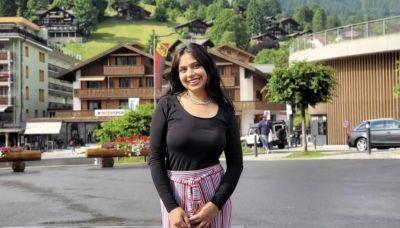
In this guide
This is the exact 7-day plan I followed in Switzerland — one base, easy day trips, and a Swiss Travel Pass that covered almost all my trains, buses, and ferries. Below is every day step by step, what each thing cost, and how I kept it budget-friendly and 100% vegetarian.
Important Trip Info
- Base Location: I’d recommend basing yourself in the central, beautiful city of Lucerne — stay in one place and take easy day trips to everything on this list.
- Where I stayed: I actually based in Zurich, at this Airbnb — you can watch a full video tour of it here. Lucerne is more central for these day trips, but Zurich works just as well — with the Swiss Travel Pass every train is free and fast, so the extra commute costs nothing.
- Swiss Travel Pass: It covers most trains, buses, and ferries.
- Timing: Start your days early to beat the crowds, especially for mountain excursions.
Trip Cost Breakdown (per couple, 2 adults)
These are the actual numbers we paid on this exact 7-day itinerary. Flights to and from Switzerland are not included — they vary too much by city of origin and travel date for an honest average.
| Item | Cost (2 adults) | Notes |
|---|---|---|
| Swiss Travel Pass — 6-day consecutive | ~860 EUR | 430 EUR per person, 2-adult pass bought on Klook (often cheaper than the official site with in-app coupons). Covers trains, buses, ferries, and 50% off cable cars. |
| Stay — 6 nights | ~720 EUR | Airbnb, about 120 EUR per night for a couple. |
| Mount Titlis cable car | ~124 EUR | 62 EUR per person after the 50% Swiss-Pass discount. 2-adult ticket via Klook — skip-the-line QR voucher. |
| Mount Pilatus cable car to Fräkmüntegg | ~44 EUR | 22 EUR per person; price already includes the 50% Swiss-Pass discount. |
| Alpine Coaster at Fräkmüntegg | ~18 EUR | 9 EUR per person, one ride each. |
| Groceries (vegetarian, supermarket) | ~105–140 EUR | 15–20 EUR per day for 7 days. We cooked / packed lunch most days. |
| Approximate total (excluding flights) | ~1,870–1,900 EUR | Roughly ₹1.8 lakh at ~₹95 per EUR. |
Why no restaurants on this list? Eating out in Switzerland is expensive (12–25 CHF for a simple meal). We bought groceries from Coop and Migros and made our own breakfast and lunch most days — that one habit alone saved us 200–300 EUR over the week. If you eat out 2–3 times a day, add another 600–900 EUR on top. See my budget vegetarian food in Switzerland guide for exactly what I ate, where I shopped, and the real prices.
Day 1: The Majestic Mount Rigi
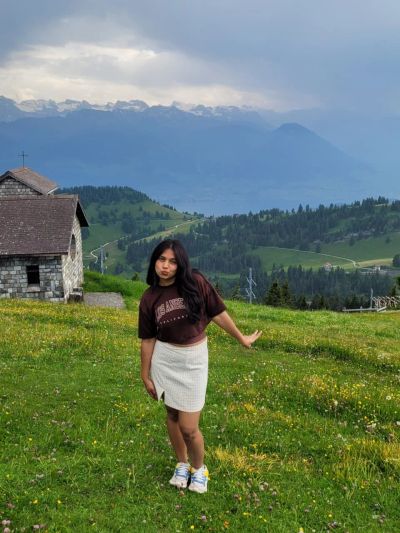
- Take a ferry from Lucerne to Vitznau, enjoying the view of Lake Lucerne.
- Board the historic cogwheel train from Vitznau to the summit of Mount Rigi (Rigi Kulm) for stunning 360-degree views. Mount Rigi is called the “Queen of the Mountains”, and this train is Europe’s first mountain train!
- The Descent: From Rigi Kulm, take the cogwheel train down to Rigi Kaltbad. From Rigi Kaltbad, take the aerial cable car down to Weggis.
- Take the ferry from Weggis back to Lucerne.
- Explore Lucerne city. Walk across the iconic Chapel Bridge and visit the Lion Monument.
- Price: The ferries, cogwheel trains, and aerial cable car are all 100% FREE with the Swiss Travel Pass.
Day 2: Lakes and Alpine Villages
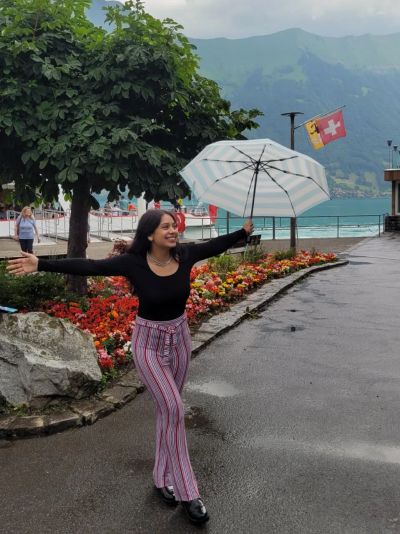
A glacier-turquoise lake, an Eiger-shadowed village, and Interlaken’s Bollywood corner — one long free day. Start ~7 am; full loop is ~11 hours.
- Route: Lucerne → Interlaken Ost (1h50) → ferry to Iseltwald (25 min) → ferry back → train to Grindelwald (35 min) → train back → walk Höheweg → train to Lucerne. Every leg 100% free with the Swiss Travel Pass.
- Lucerne → Interlaken Ost (GoldenPass scenic IR): Sit on the right for Lake Sarnen, Lake Lungern, and the Brünig Pass. Get off at Interlaken Ost (not West) — ferry pier is a 2-min walk.
- Iseltwald — the “Crash Landing on You” pier: Wooden jetty made famous by the K-drama. The pier has a CHF 5 coin turnstile (cash, not on the pass). For the same shot free, walk 50 m along the shore. Bonus: 10-min lakeside trail behind the pier leads to a small castle ruin with free picnic benches.
- Optional: Stay on the ferry one more stop to Giessbach Falls — 14-tier waterfall, free riverside walk, no entry fee.
- Interlaken Ost → Grindelwald (BOB train, 35 min): Board the carriage marked “Grindelwald” (the Lauterbrunnen half splits off mid-route). Sit on the right — Eiger’s North Face appears ~5 min before arrival.
- Grindelwald (1–1.5 hr): Walk Dorfstrasse for the chalet + Eiger postcard. For a wider valley view, walk 10 min uphill to the Pfingstegg cable car base (free, no ticket needed). Skip First Cliff Walk and Jungfraujoch — paid, time-heavy, save for a dedicated trip.
- Back to Interlaken — Höhematte park & Bollywood corner: Walk Höheweg (~15 min). Höhematte is the only spot in town where Jungfrau, Mönch, and Eiger line up. Paragliders land here 4–6 pm in summer (free show, ~20 landings/hr). The Yash Chopra statue and DDLJ plaque are on Höheweg near Hotel Metropole.
- Veg food: Migros inside Interlaken Ost station — hot counter (rösti, pasta, salads at 8–12 CHF), cheapest hot meal of the trip. Iseltwald has one overpriced café — carry a sandwich from Lucerne.
- Return: Aim for the 19:00 or 20:00 IR train back to Lucerne. Carry a light fleece — Grindelwald is 8–10 °C cooler than Interlaken even in July.
- Price: Trains and ferries 100% free with the Swiss Travel Pass. Out-of-pocket: CHF 0–20 for two (optional pier turnstile + Migros lunch).
Day 3: Alpine Coaster & Rhine Falls
- Mount Pilatus: From Lucerne train station, take Bus 1 (direction Kriens, Obernau) to the “Kriens, Zentrum Pilatus” stop. A 5-minute walk brings you to the Pilatus cable car base station.
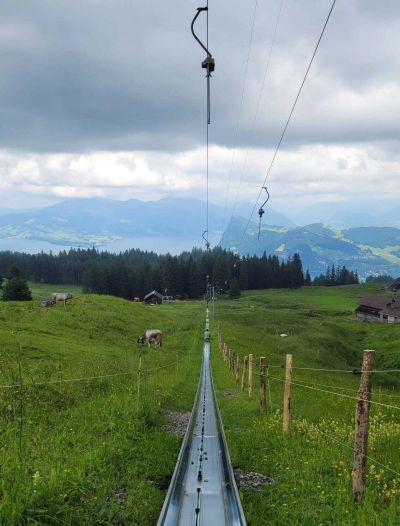
- Activity: Take the panoramic gondola up to Fräkmüntegg. Here, you can ride the Alpine Coaster, which is Switzerland’s longest summer toboggan run at 1,350 meters, offering a thrilling slide down the mountain with spectacular views. I wrote a full Pilatus toboggan run guide — how to get there from Lucerne, ticket prices, and what the ride feels like.
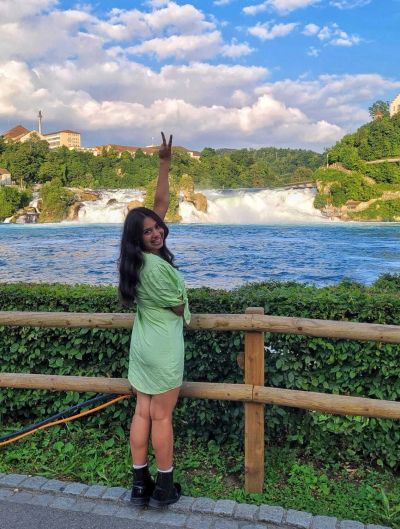
- City & Nature: Return to Lucerne, then take a train to Rhine Falls (Neuhausen) — Europe’s most powerful waterfall. My full Rhine Falls guide has the free viewpoints and the boat options.
- Return: Back to Lucerne for the night.
- Note: Since we already enjoyed summit views at Mount Rigi on Day 1, we stopped halfway up Pilatus at Fräkmüntegg just for the Alpine Coaster. However, you can easily take the next cable car all the way to the very top (Pilatus Kulm) if you prefer full summit views!
- Price: The round-trip cable car ticket to Fräkmüntegg is approx. CHF 23 (or approx. CHF 39 if you continue all the way up to Pilatus Kulm). (Note: These prices include the 50% discount with your Swiss Travel Pass). The Alpine Coaster is about CHF 9 per ride. The train ride to Rhine Falls is FREE.
- Quick Tip: Download the Grand Train Tour Switzerland app — it has a hidden free Pilatus cap inside. The 5-step app walkthrough catches a lot of travellers off guard (there’s a 30-minute timer), so I wrote a separate how to claim the free Pilatus cap step-by-step guide you can follow.
Day 4: The Snow Peaks of Mount Titlis
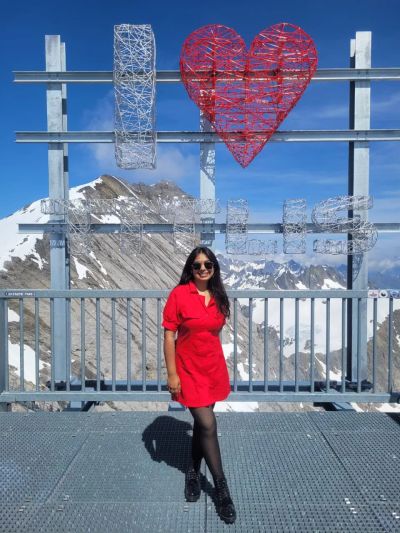
- Travel: Take a scenic train ride from Lucerne to Engelberg. From the Engelberg train station, it’s a short 10-minute walk to the Mount Titlis base station and ticket counter. From there, you will take the cable cars, including the spectacular Titlis Rotair (revolving cable car), up to the summit.
- Highlights: Walk the Cliff Walk (Europe’s highest suspension bridge) and explore the Glacier Cave. You can also ride the Ice Flyer chairlift over the glacier; you can easily pay the additional CHF 12 directly at the summit for this ride.
- Warning: This destination is very popular. It can be crowded, so expect to spend the entire day here.
- Price & Booking: With the Swiss Travel Pass, the cable car normally costs approx. CHF 48 round-trip. Quick Tip: It is highly recommended to book your tickets in advance via Klook, as they often offer better prices and help you skip the ticket lines! (I list every app I relied on — Klook, Omio and more — in my must-have Europe travel apps guide.)
Day 5: The Glacier Express Route (The Smart Way!)
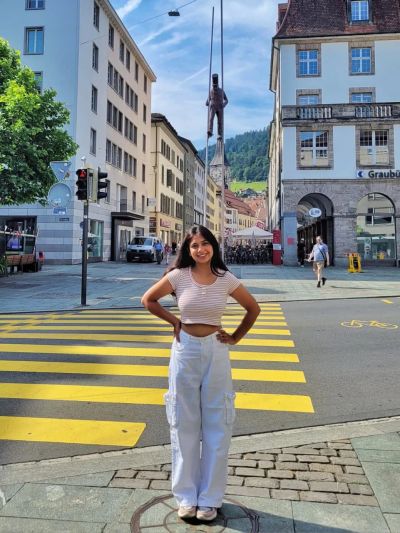
- The Route: Travel from Lucerne to Chur using regular regional trains. These trains follow the exact same scenic tracks as the world-famous Glacier Express train.
- Why Regional Trains?: The official Glacier Express requires you to pay extra money for a mandatory seat reservation, even if you already have a Swiss Travel Pass. The regional trains look almost exactly like the expensive trains, but they are completely FREE with the pass!
- Explore Chur: Get off the train here to explore Switzerland’s oldest city and take a walk through the beautiful historic Old Town.
- Train to Andermatt: Board a regional train from Chur heading toward Andermatt. Along the way, the train passes through the Alpine village of Disentis, where you can spot the impressive Disentis Abbey right from your window.
- The Oberalp Pass: The train then climbs over the famous Oberalp Pass (2,044 meters). This high-altitude pass is known for its spectacular snow views; however, please note that if you are traveling in the peak of summer, you will likely not see any snow here!
- Explore Andermatt: Get off the train in Andermatt and take a short, exciting hike to the legendary Devil’s Bridge. The hike includes walking through a thrilling, narrow mountain passage right next to the bridge! I wrote a separate Andermatt & Devil’s Bridge guide with the exact walk and train timings.
- Return: From Andermatt, catch the regular train service directly back to your base in Lucerne.
- Price: Everything today — including the whole Glacier Express route — is 100% free with the Swiss Travel Pass.
Day 6: Culture and River Traditions
- Explore Bern: Take a morning train from Lucerne to Bern, the capital city of Switzerland. Walk through the UNESCO World Heritage Old Town, see the medieval Zytglogge (Clock Tower), and visit the famous Bear Park (BärenPark) along the river. Don’t miss the Rosengarten for the best view over the city.
- Travel to Basel: In the afternoon, take a quick train ride from Bern to Basel.
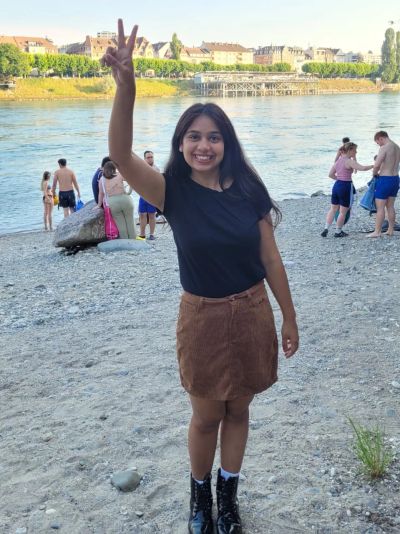
- Rhine River Swimming: If you are visiting in the summer, head to the riverbanks to watch a unique local tradition—hundreds of locals jump into the Rhine River and float downstream using colorful waterproof bags (called Wickelfisch) to commute!
- City Walk: Explore the iconic Basel Minster (Basler Münster) and walk over to the vibrant Marktplatz to see the stunning red Rathaus (Town Hall).
- Price: All inter-city trains and city transport are FREE with the Swiss Travel Pass.
Day 7: Zurich Exploration & Departure

- Travel to Zurich: Take a train to Zurich to spend your final day in Switzerland’s largest city.
- Zurich City Walk: Stroll down the world-famous Bahnhofstrasse for luxury window shopping. Wander through the historic Old Town (Altstadt) and visit the iconic twin-towered Grossmünster church. For the best view of the city, climb up to the Lindenhof viewpoint.
- Lakeside Relaxation: Take a leisurely walk along the beautiful Lake Zurich promenade, or even enjoy a short boat cruise on the lake (often free with the Travel Pass).
- Price: Local trams, boats, and trains to the airport are all FREE with the Swiss Travel Pass.
Want every activity to be 100% free?
If you’d rather skip Pilatus and Titlis (50% off only) and visit Switzerland with zero franc at any ticket counter, see my What’s 100% Free with the Swiss Travel Pass — Mount Rigi, Mount Stoos (steepest funicular in the world), Mount Stanserhorn CabriO, and Chillon Castle. Every single thing included in the pass.
Watch the Switzerland Series
▶ Watch full Switzerland playlist on YouTube →
Frequently Asked Questions
How much does a 7-day Switzerland trip cost for 2 people from India?
Do I need a Swiss Travel Pass?
Is the Glacier Express worth booking?
Where should I base myself for day trips?
Have a question about this trip?
Got a question I haven't covered in the guide above? Drop it below — I personally read every one and often add the best questions into the FAQ section of this guide.
You'll share your name and email so I can reply. I use them only to answer you — see our Privacy Policy.